Rural Access to Maternal Education and Care: A closer look at Alleghany County, VA
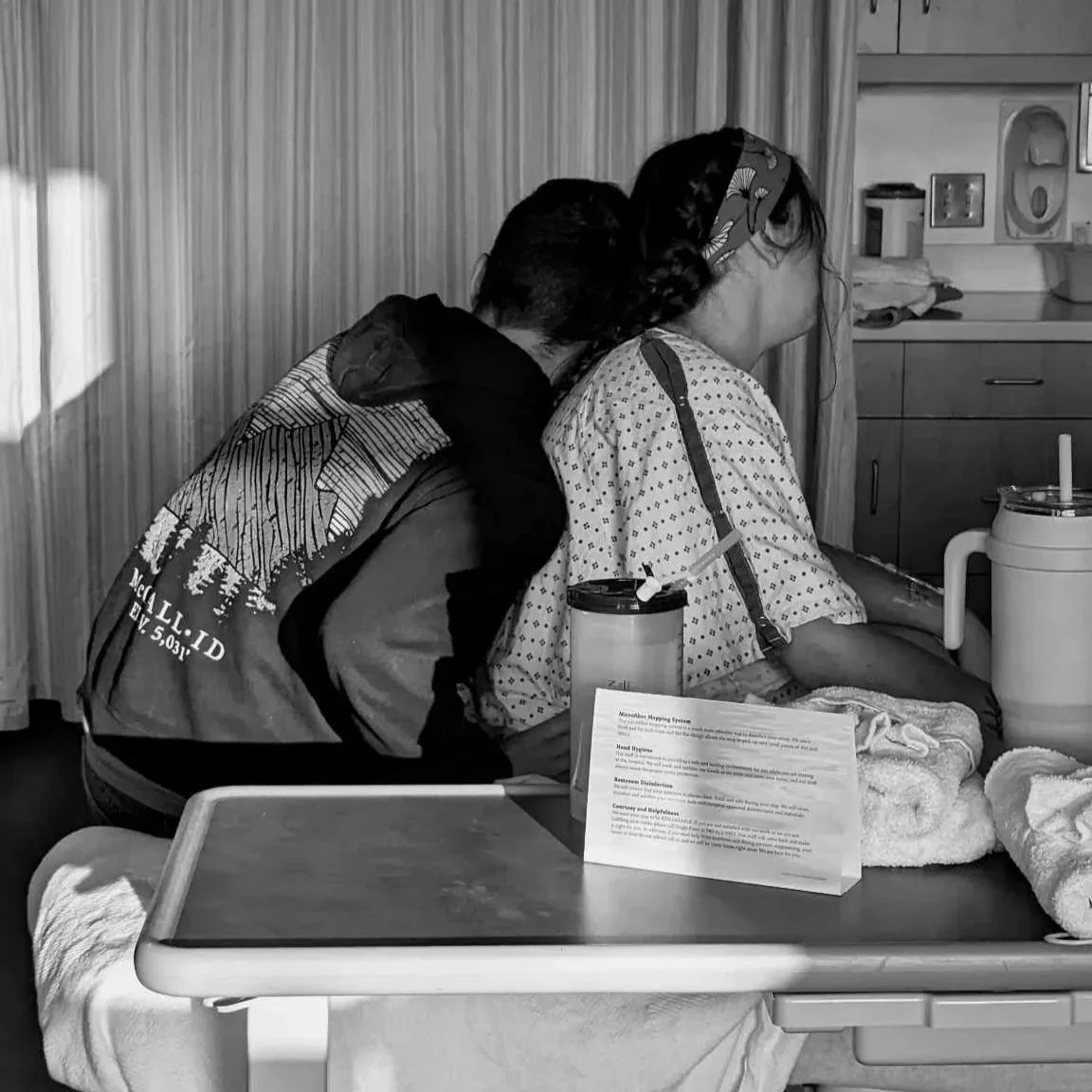
A Maternal Health Desert.
Alleghany County is a federally designated maternal care desert with one obstetric clinic (Lewisgale Alleghany sees patients once per week), no L&D services, long travel times for prenatal and postpartum care, high Medicaid birth rates, limited access to lactation or childbirth education, existing socioeconomic stressors (high poverty, transportation barriers, limited childcare). These conditions increase risk for delayed prenatal care, missed appointments, higher rates of preeclampsia and gestational diabetes complications, poor postpartum follow-up, lower breastfeeding initiation and duration, and elevated perinatal mood/anxiety disorders.
Rural mothers in Virginia experience worse health outcomes than their urban counterparts. According to VDH data, pregnancy-related deaths are more than double the rate in rural areas (122.7 rural vs. 54.6 urban per 100,000) and 37.4% of pregnancy-related deaths occur 43–365 days postpartum, a period when rural families are more likely to miss follow-up appointments due to distance, transportation barriers, and childcare challenges. Approximately 50% of the Alleghany area births are Medicaid-covered and 38% of Alleghany County and Covington City families participate in WIC (higher than the 18.1% state-wide rate), indicating high levels of perinatal health vulnerability. The locality also experiences a higher infant mortality rate than the state (9.2 local vs. 5.8 state per 1,000 births).
MMMS is the only CBO providing wrap-around services, education, perinatal support, care coordination, and essential baby supplies. We 1) provide accessible, no-cost education, reducing disparities in knowledge and preparedness for birth and parenting, 2) offer material support to reduce financial stressors that exacerbate poor health outcomes, 3) care coordination and warm handoffs to CBOs, including WIC, public health services, local DV shelter, and recovery support.
Substance use heavily impacts maternal health in the region. The VDH MCH indicators show a high rate of substance use with 40% of pregnancy-associated deaths in Virginia due to accidental overdose and a 23.9% maternal smoking rate in Alleghany County.
The median household income in the Alleghany Highlands is $55,160, significantly below the Virginia median of $90,974. Poverty rates are elevated, with 13.1% of residents and 19.9% of children living below the federal poverty line. Education levels also reflect increased vulnerability: 10-13% have no high school diploma, 45-50% have only a high school diploma, and 30% have some college but no degree. Additionally, 30.7% of children live in single-parent households, which often increases financial strain and can limit access to key factors influencing maternal and child health outcomes. (CHA, 2024) According to the Virginia Wellbeing Dashboard, the Alleghany Highlands has a Community Wellbeing Prediction Score of 1/100. This score is the lowest in the state, only tying with one other county, with the next lowest score being a 13.4. Urban areas such as Charlottesville and Harrisonburg score between 29.9–35.8; these indicators highlight significant disparities in access to resources, support, and perinatal services. MMMS is designed to meet these gaps by providing accessible, community-based support for the families who need it most.
MMMS provides critical support to the Alleghany Highlands with a goal of improving health and well-being for our moms, families, and community. This is done through community-based, multidisciplinary efforts of MMMS and partners.